This short PEACE+ animation is for people with ADHD who are also living with an eating disorder. It explains how sensory, attention and interoceptive differences can shape eating, and why this isn’t your fault.
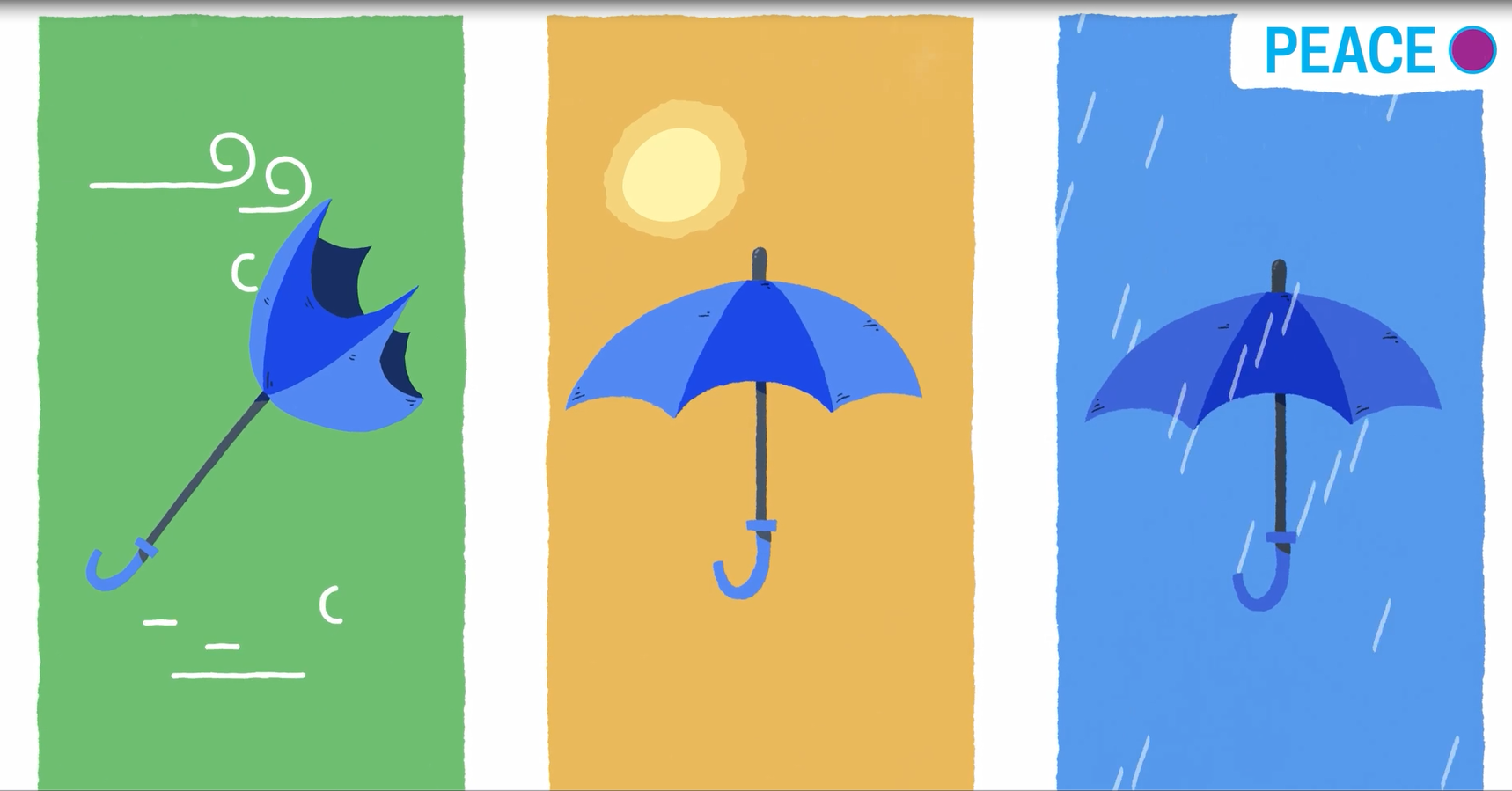
Share it with someone you trust or your care team if helpful.
Accessibility: Captions are available.
Support: This video doesn’t replace clinical care. If you need urgent help, use local crisis services.
Credits: Co-produced by the PEACE+ team in collaboration with Really Bright Media
Funding: This work is support by the One King’s Impact Fund and aligns with King’s Impact Priorities: Whole-life health for mind and body & Technology for good.
You might find these interesting too!
A gentle workbook created by an anonymous parent author and shared with the PEACE Pathway team. This resource offers practical, neurodivergent-inclusive support for people experiencing eating difficulties, and for families or supporters navigating the waiting period before specialist care.
A neurodiversity-informed resource developed by the PEACE Plus Pathway to support clinicians working with individuals experiencing eating disorders and co-occurring autism and/or ADHD. The guide provides practical recommendations for adapting care, improving engagement, and delivering more accessible and person-centred treatment.
Join us online on 20 May 2026 for the PEACE Pathway Conference: Neurodiversity and Eating Disorders. The conference will explore the evolution of the PEACE Pathway toward a neurodivergent-informed service model and share insights from clinical practice, research, and co-production within eating disorder services.